Introduction
When it comes to desserts, whipped cream is that magical ingredient that elevates everything from pies to hot chocolate. Imagine a slice of cake topped with a cloud-like swirl of perfectly whipped cream—heavenly, right? However, achieving that perfect texture and flavor isn’t just about whipping cream until it looks fluffy. It requires knowledge, ingredients, and sometimes the right tools. In this article, we delve into The Art of Perfect Whipped Cream: Tips from the Pros, exploring techniques, equipment like cream chargers, and expert secrets that will transform your whipped cream game.
The Art of Perfect Whipped Cream: Tips from the Pros
Creating the perfect whipped cream isn’t merely a culinary task; it’s an art form. A dollop of expertly whipped cream can enhance your dessert experience and leave a lasting impression on your guests.
Understanding Whipped Cream
What Is Whipped Cream?
Whipped cream is simply heavy cream that has been aerated by whipping it until it becomes light and fluffy. But what makes it different from regular cream? The key lies in its fat content—heavy cream contains at least 36% fat, allowing for better aeration.
Types of Whipping Cream
Heavy Whipping Cream: Contains 36% fat; ideal for whipping. Light Whipping Cream: Contains 30-35% fat; less stable than heavy whipping. Double Cream: Contains around 48% fat; extremely rich and creamy.The Science Behind Whipping Cream
How Does Air Incorporation Work?
Whipping incorporates air into the liquid fat molecules in the cream, leading to a stable structure known as foam. The more you whip, the more air bubbles are formed, creating that desired lightness.
What Happens When You Overwhip?
Overwhipping can break down those delicate air bubbles and lead to butter formation—a less desirable outcome for most recipes.
Ingredients Matter: Choosing Quality Heavy Cream
Why Use High-Quality Cream?
Quality ingredients yield better results. Look for heavy creams labeled as “organic” or “grass-fed,” which often have superior flavor profiles.
Non-Dairy Alternatives for Whipped Cream
For those who prefer non-dairy options, there are coconut creams and soy-based alternatives available that can be whipped to perfection.
The Essential Tools: Equipment for Perfect Whipped Cream
Traditional Whisk vs. Electric Mixer
- Traditional Whisk: Offers control but requires more effort. Electric Mixer: Ideal for quick whipping but can easily overwhip if not monitored closely.
Cream Chargers Explained
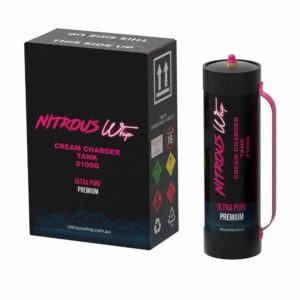
To achieve a light and fluffy texture quickly, many professionals turn to cream chargers. These small canisters filled with nitrous oxide (N2O) are used with a whipped cream dispenser to produce instant results.
Choosing the Right Cream Chargers
Top Brands Available in the Market
- BestWhip Supremewhip NitrousWhip MOSA
Each brand offers unique features; however, they all serve the same primary function—delivering nitrous oxide for whipping purposes.
Understanding Tank Sizes for Efficient Usage
Common Tank Sizes
- 0.95L 1L 1.1L 3.3L
These sizes cater to different needs—whether you're preparing whipped cream for a family gathering or an industrial kitchen operation.
Techniques for Achieving Perfectly Fluffy Whipped Cream
Temperature Matters: Chill Your Ingredients and Tools
Before starting, chill your mixing bowl and beaters in the refrigerator for at least 15 minutes. Cold tools help maintain the integrity of your whipped cream while preventing overwhipping.
The Right Ratio: How Much Sugar Should You Use?
A general rule is about 1 tablespoon of sugar per cup of heavy cream. Adjust this based on your taste preferences or recipe requirements.
Flavor Enhancements: Beyond Vanilla Extract
While vanilla extract is classic, consider experimenting with:
- Almond extract Cocoa powder Fresh fruit purees
These additions can elevate your whipped cream from ordinary to extraordinary!
Using a Whipped Cream Dispenser Effectively
Loading Your Dispenser with Cream Chargers
Fill your dispenser with heavy cream. Add sugar or other flavorings as desired. Insert a charger according to manufacturer instructions. Shake gently before dispensing.Maintenance Tips for Your Dispenser
Regular cleaning prevents residue build-up:
Disassemble all parts after use. Clean using warm water and mild soap. Avoid harsh chemicals that could damage components.Common Mistakes to Avoid When Making Whipped Cream
Mistake #1: Using Room Temperature Ingredients
Always start with cold ingredients—they whip better!
Mistake #2: Not Monitoring Your Mixing Speed
Too fast leads to over-whipping; too slow might not incorporate enough air.
FAQs About Perfecting Your Whipped Cream
What’s the best type of sugar to use in whipped cream?
Granulated sugar works Website link well; however, powdered sugar dissolves faster and adds stability due to its cornstarch content.
Can I make flavored whipped creams?
Absolutely! Adding extracts or purees can create beautiful flavors like mint or strawberry-infused whipped creams.
How long does homemade whipped cream last?
Homemade whipped cream keeps well in the fridge for about two days but is best used fresh within hours of making it!
Is there a vegan alternative to traditional whipped cream?
Yes! Coconut milk or soy-based creams can be successfully whipped into delightful non-dairy versions!
Can overwhipping be fixed?
Once overwhipped into butter consistency, unfortunately no fix exists—it's best to start anew!
Conclusion
In conclusion, The Art of Perfect Whipped Cream: Tips from the Pros is all about understanding ingredients, equipment usage like cream chargers, and mastering techniques through practice and experimentation. Whether you're topping off desserts or integrating it into recipes creatively, knowing how to make perfect whipped cream will undoubtedly enhance your culinary repertoire! With these insights under your belt—from choosing high-quality heavy creams like BestWhip or Supremewhip through proper tank sizes—with each delicious dollop you serve up, you'll impress everyone around you! So go ahead—grab those tools—and whip up some magic!